Health and Safety Policy for Man With Van Osterley
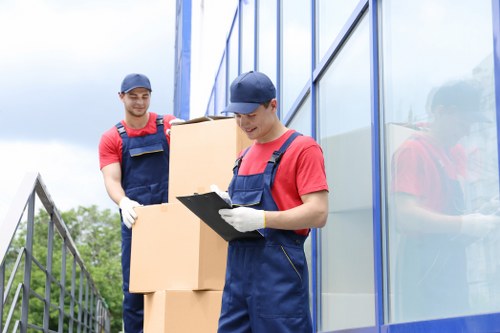 Man With Van Osterley is committed to maintaining a safe, responsible, and professional working environment for every move, delivery, and loading task. This health and safety policy sets out the standards that help protect staff, customers, property, and the public during daily operations. It applies to all activities connected with van transport, manual handling, vehicle use, equipment handling, and working in varied environments. The purpose of this policy is to reduce risk, promote safe conduct, and support a consistent approach to safe working practices across every job.
Our team understands that removals and transport work can involve physical strain, vehicle-related hazards, and changing site conditions. For that reason, we place strong emphasis on prevention, awareness, and careful planning. Every person involved in a job is expected to act with responsibility, follow safe procedures, and speak up if a risk is identified. Safety is not treated as a separate task; it is part of how work is organised, prepared, and completed.
 We aim to ensure that each Man With Van service is carried out with attention to the wellbeing of everyone present. This includes proper vehicle checks, safe lifting methods, effective loading arrangements, and clear communication before and during work. Where conditions change, the team is expected to reassess the situation and respond appropriately. A safe job is always valued above speed or convenience.
Core Safety Principles
All personnel working for Man With Van Osterley must follow key safety principles at all times. These include keeping work areas free from unnecessary hazards, using equipment correctly, and avoiding actions that could place others at risk. Risk awareness is essential, especially when moving heavy items, navigating stairs, or operating in tight spaces. The team must remain alert to slippery surfaces, poor lighting, awkward access points, and unstable loads.
Manual Handling and Load Control
Manual handling is one of the most important safety concerns in van-based work. Lifting, pushing, pulling, or carrying items without proper technique can cause strain or injury. Staff should assess each item before moving it and use team lifts or aids where needed. Loads must be balanced, secured, and positioned to prevent movement during transit. Good load control helps reduce damage, improves stability, and supports safer vehicle handling.
 We also require safe communication between team members during all handling tasks. Clear instructions, agreed signals, and coordinated movement reduce confusion and help prevent accidents. If an item is too heavy, awkward, or unsafe to manage, the task must be paused and reassessed. No one should feel pressured to continue if the conditions are unsuitable.
Vehicle and Equipment Safety
Vehicle safety is central to the policy. Every van must be checked regularly to help ensure tyres, lights, mirrors, brakes, and load restraints are in suitable condition before use. Drivers must operate vehicles carefully, follow road safety laws, and adapt to weather or traffic conditions. Safe driving includes avoiding fatigue, maintaining concentration, and allowing sufficient time for each journey.
Equipment such as straps, trolleys, blankets, gloves, and ramps must be inspected before use and stored properly after each job. Any damaged or unsuitable item should be removed from service until it has been repaired or replaced. The use of correct equipment not only protects workers but also lowers the chance of property damage. It is important that all items are used for their intended purpose and handled in line with their operating limits.
Workplace cleanliness is another essential part of this policy. Vans, loading areas, and storage spaces should be kept tidy to avoid slips, trips, and falls. Loose packaging, cords, or tools should not be left in walkways. A well-organised space makes tasks easier to manage and supports a safer working environment for everyone involved.
Risk Assessment and Incident Response
 Before any task begins, a practical risk assessment should be carried out to identify potential dangers and decide how they can be controlled. This does not need to be complicated, but it must be thorough enough to reflect the actual conditions of the work. Changes in access, weather, item size, or customer premises may create new risks, so assessments should be reviewed as needed. Careful preparation is one of the most effective ways to prevent harm.
If an incident, injury, or near miss occurs, it must be reported promptly and dealt with in a calm and structured way. First aid should be sought where necessary, and any immediate hazard should be made safe. Reporting helps the business understand what happened and improve future safety measures. All incidents are treated seriously, even when no one is harmed, because they may reveal a weakness in the process.
Managers and workers are expected to cooperate fully in reviewing accidents and putting corrective actions in place. This may include updating methods, replacing equipment, improving communication, or providing additional training. A strong safety culture depends on learning from events rather than ignoring them. Continuous improvement is a core part of keeping operations safe and reliable.
Training, Responsibility, and Review
 Health and safety duties are shared by everyone. Management is responsible for setting expectations, providing suitable equipment, and ensuring that workers understand the policy. Staff are responsible for following instructions, using safe methods, and taking reasonable care of themselves and others. Shared accountability helps create a workplace where safety is respected at every stage of the job.
Training is provided to support safe lifting, vehicle awareness, equipment use, and hazard recognition. Refresher learning may be introduced when procedures change or when additional support is needed. Competence matters in every role, and no task should be assigned without the right level of understanding and capability. Where necessary, extra supervision will be used to maintain safe standards.
This policy is reviewed periodically to ensure it remains effective, practical, and relevant to the nature of the work. Updates may be made in response to new risks, operational changes, or lessons learned from incidents. By keeping the policy active and current, Man With Van Osterley reinforces its commitment to safety, professionalism, and dependable service.